Have you ever said “yes” to something while feeling a quiet (or loud) “no” inside? Maybe you went along with what someone else asked you to do out of duty, guilt, or fear of disappointing them. Or maybe there are things you do regularly out of habit that don’t actually bring you much fulfilment.
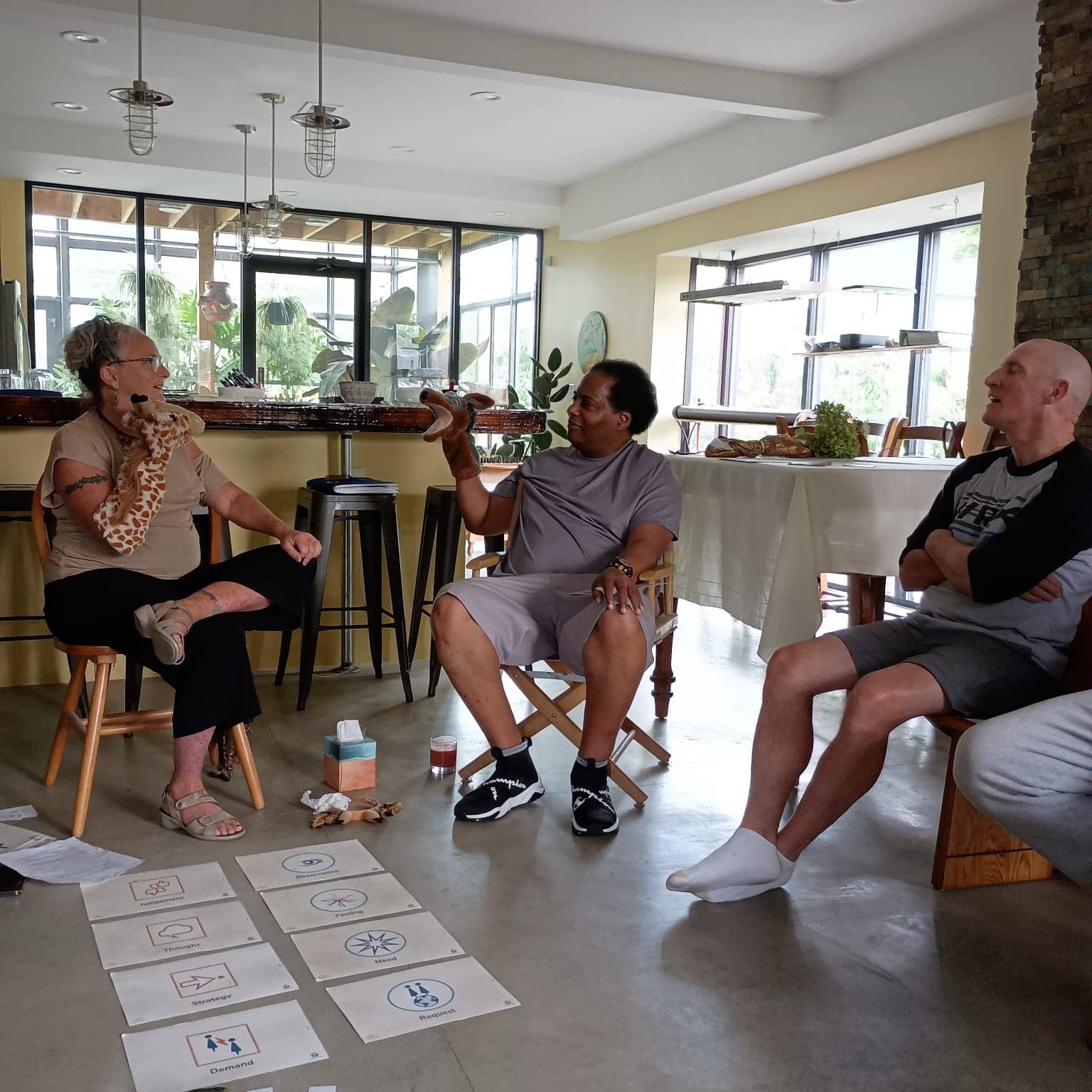
Recently, in my Level 2A Nonviolent Communication course, we explored the Pathway to Personal Liberation, a practice of looking at the things we do in our lives that we are less than joyful about. What thoughts or inner jackals are at play? Some common ones include:
- “I do it because I have to.”
- “I do it because I have no choice.”
- “I do it because I should.”
- “I do it because it’s expected of me.”
- “I do it because otherwise, I fear I’ll lose love.”
Marshall Rosenberg wrote in Nonviolent Communication: A Language of Life:
“Don’t do anything that isn't play! … An important form of self-compassion is to make choices motivated purely by our desire to contribute to life rather than out of fear, guilt, shame, duty, or obligation.”
The practice helps us look underneath the have to or should and reconnect with why we are choosing to do something: what matters to us, or what need we are trying to meet through our actions. Sometimes this changes the energy with which we do something. And sometimes we discover that we want to find a completely different way to care for the needs involved.
An invitation: Try the exercise below to explore the needs behind some of your own have to’s and shoulds.
Exercise: A Pathway to Personal Liberation
Step 1: Find your “have to’s”
Write down some things you do in your life that you don’t particularly enjoy or don’t approach with the energy of play. These might be things you feel obligated to do, or things you regularly tell yourself you have to or should do.
Example:
I have to go with my partner when he visits his parents.
Step 2: Reconnect with choice
Take one of your statements and try replacing “I have to…” with “I choose to…” Notice what happens in you when you read it back in this way. Does it feel true? Is there resistance?
Example:
I choose to go with my partner when he visits his parents.
Step 3: Find the need behind your choice
Now add: “…because I want…”
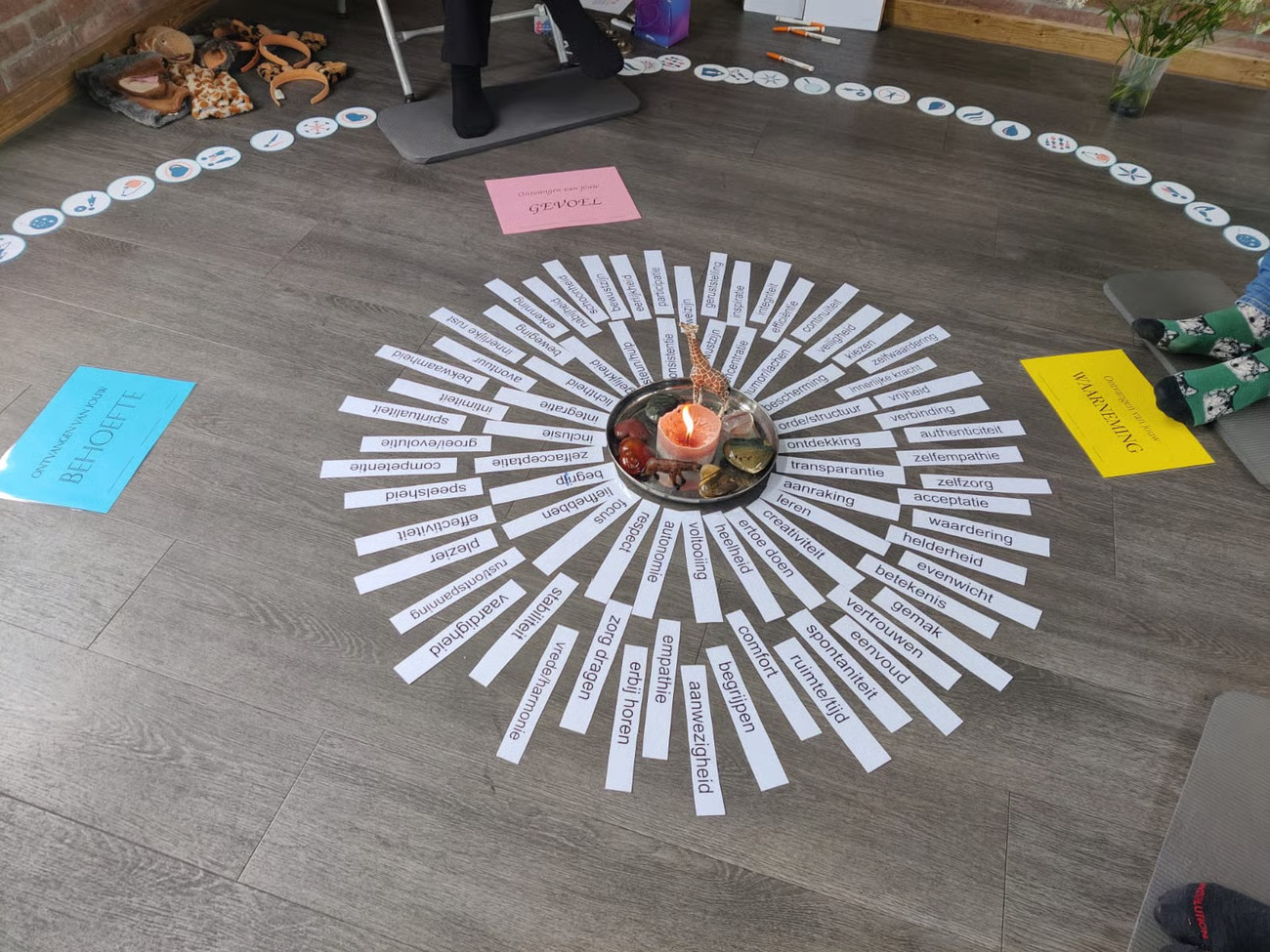
Let yourself finish the sentence naturally. Then see if you can find the need or needs underneath what you wrote.
Example:
I choose to go with my partner when he visits his parents because I want to contribute to the well-being of his parents in the last phase of their lives and support my husband in this.
Needs: contribution and support.
Step 4: Explore other possibilities
Now ask yourself: Does what I’m currently doing actually meet these needs? Is there another way I could meet them, or a way I could do what I’m already doing that would work better for me?
For me, this became very concrete. I realised that I often felt disconnected during these visits because I found the conversations difficult to engage with. Once I recognised my deeper intention --contribution and support-- I found another way to be there. I started bringing mandala books to color while we visited.
It was a small change, but it helped me participate in a way that felt more authentic and fulfilling. And my husband’s mom even joined me in colouring.
Your turn: Try it with one of your own have to’s or shoulds and see what you discover. What happens when you connect with what you are actually trying to care for?
.jpeg)