Most of us want children to grow up feeling loved, respected and understood. We want them to develop confidence, independence and care for others. And yet, in everyday life, we sometimes find ourselves raising our voices, making threats, offering rewards or saying things we later regret.
Perhaps your child refuses to get dressed when you're already late. Or two children are fighting, and you've asked them to stop three times. You know how you would like to respond, but in that moment, your patience has run out.
How can we raise children with compassion when we ourselves are struggling? And how can we guide children without relying on punishment, rewards or control?
These are some of the questions we explore in Nonviolent Communication (NVC).
Compassion for children begins with compassion for ourselves
When we talk about compassionate parenting or teaching, much of the attention goes towards understanding children's feelings and needs. But what about our own?
Adults have needs too. We need rest, cooperation, respect, support, autonomy and sometimes a moment of peace.
When our needs aren't being met, it can be much harder to respond to children with patience and understanding. We may react automatically, perhaps in ways we experienced during our own childhood.
NVC helps us recognise what is happening inside us, understand our reactions and find ways to care for our own needs while also caring for those of children.
And when we do lose our patience? We can learn to look at ourselves with compassion, understand what happened, mourn what we wish we had done differently and find ways to reconnect.
What happens when we move beyond punishment and rewards?
Many of us grew up believing that children learn good behaviour through rewards and bad behaviour through punishment. We might offer a treat for cooperation, praise a child for being 'good', or take away privileges when they don't do what we ask.
But what are children learning through these experiences?
Are they developing an understanding of how their actions affect others? Are they learning to recognise their own needs and the needs of people around them? Or are they learning to behave in certain ways to gain approval or avoid punishment?
In NVC, we explore how to support children's natural willingness to contribute to others, and how to help them develop responsibility through understanding, empathy and choice.
This also invites us to look at our own habits. When a child refuses to cooperate, can we become curious about what's happening for them, while also being honest about what matters to us?
How can we guide children without controlling them?
We want children to make their own choices, develop independence and learn to take responsibility for their actions. But what happens when their choices put themselves or others at risk?
Imagine your child running towards a busy road, or one child hitting another. In these moments, we may need to act immediately, even if the child doesn't agree with what we're doing.
NVC makes an important distinction between the protective use of force and the punitive use of force.
With protective force, our intention is to prevent harm. With punitive force, our intention is to make someone suffer for something they've done.
This distinction invites us to reflect on how we use our power as adults. Can we protect children and intervene when necessary without using shame, fear or punishment?
And how can we return to connection afterwards, especially when a situation has been frightening or upsetting for everyone involved?
What about guilt and shame?
Perhaps you've shouted at your child and felt terrible afterwards. Or you've heard yourself saying something your own parents used to say, even though you promised yourself you never would.
It's easy to fall into self-criticism in these moments.
NVC offers ways to understand the feelings and needs behind our actions, including those we regret. We can take responsibility, learn from what happened and make repairs without blaming or shaming ourselves.
We can offer children the same opportunity. Instead of telling them they are bad or making them feel guilty, we can help them understand the impact of their actions and explore what they might choose differently next time.
In this way, both children and adults can learn and grow while maintaining their dignity.
Learning to live NVC with children
Living NVC with children is an ongoing practice. It asks us to become more aware of our habitual reactions, listen to what matters to children and ourselves, and look for ways of living together where everyone's needs count.
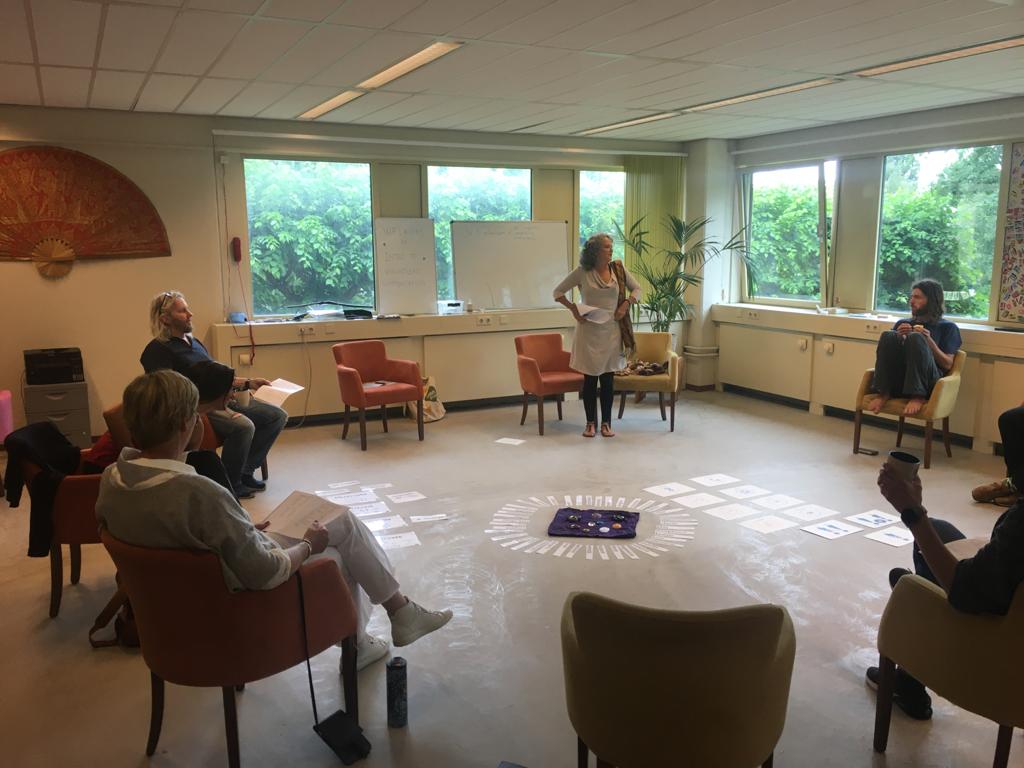
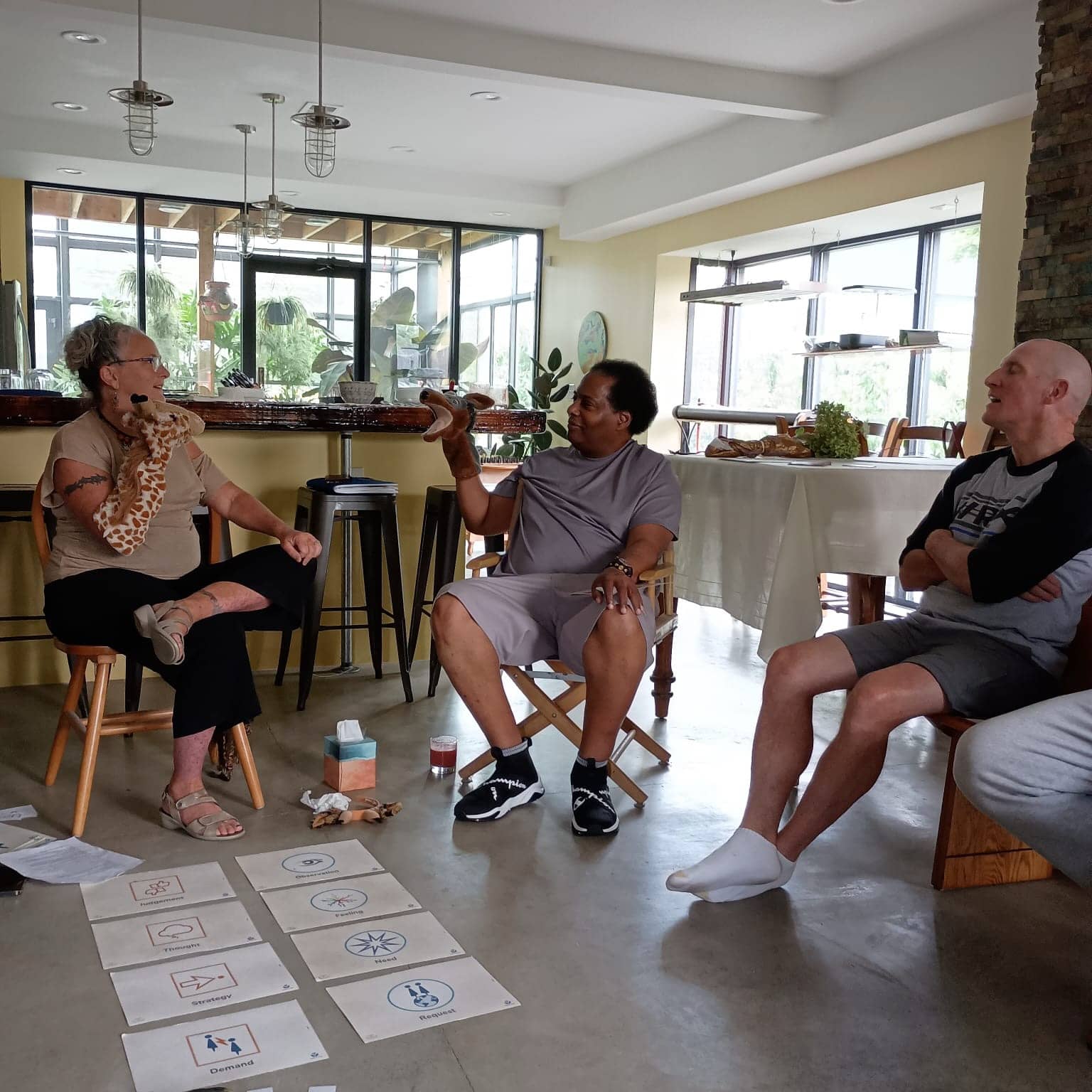
In my Living NVC with Children course, we explore these questions through real situations from our lives as parents, teachers, caregivers and educators. We work with empathy, honest expression, conflict, power, punishment and rewards, protective use of force, and ways to restore connection when things have gone wrong.
Through demonstrations, reflection and practical exercises, we practise bringing NVC into the everyday challenges of being with children.
The course is for people who already have a foundation in NVC, through a Level 1 Foundation Course or equivalent training.
Frequently asked questions
Who is NVC with children for?
For parents, teachers, educators, caregivers and anyone who spends time with children and wants more consciousness, compassion and connection in those relationships.
What does "power with" mean?
"Power with" means looking for a way in which the needs of both adult and child count, instead of getting cooperation through pressure, authority or fear.