Perhaps you've heard about Nonviolent Communication (NVC) from a friend, read a book by Marshall Rosenberg or watched a video that caught your interest. Something about it appeals to you, and you'd like to learn more.
But where do you begin? And how do you go from understanding the ideas behind NVC to actually using them in your conversations and relationships?
I often compare learning NVC to learning a new language.
Learning NVC is like learning a new language
When we learn a new language, we begin with unfamiliar words and ways of putting sentences together. At first, we have to think about what we want to say. We search for words, make mistakes, and sometimes realise afterwards that we could have expressed ourselves differently.
Over time, with practice, the language becomes more familiar.
I see something similar happening when we learn NVC.
We begin to develop a vocabulary for our feelings and needs. We discover the four steps of NVC and explore different ways of listening and expressing ourselves.
But there's something else happening too.
We may begin to recognise how quickly we judge ourselves and others, how easily we hear criticism or blame, and how accustomed we are to thinking about who's right and who's wrong.
These are habits we've often been practising for most of our lives. So it makes sense that learning another way takes time.
Marshall Rosenberg used to say, "Anything worth doing is worth doing poorly."
I love that reminder. We don't have to wait until we're good at NVC to begin using it. In fact, trying things out, getting tangled up and discovering what we might do differently are all part of learning.
Where do you start?
There are many ways to begin exploring Nonviolent Communication. You can read books, watch videos, listen to talks or join a workshop.
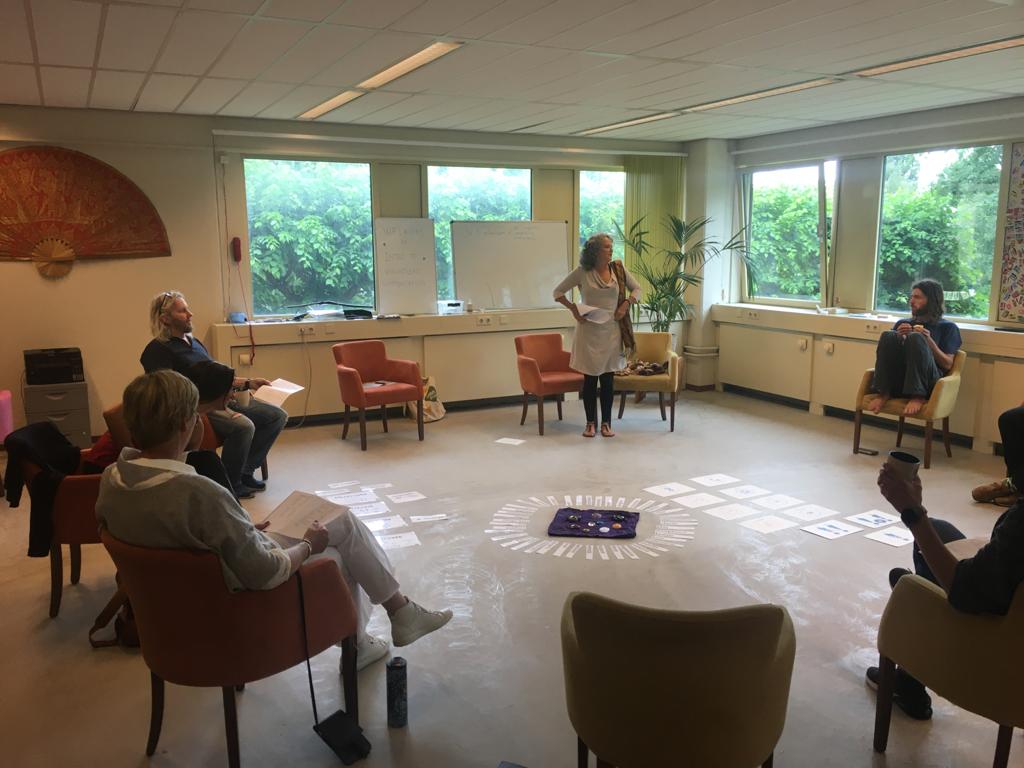
If you're new to NVC, I offer a free two hour intro workshop. It's an opportunity to become familiar with some of the basic ideas, experience a few exercises and ask questions.
You can also begin directly with a Level 1 Foundation course. No previous experience is needed.
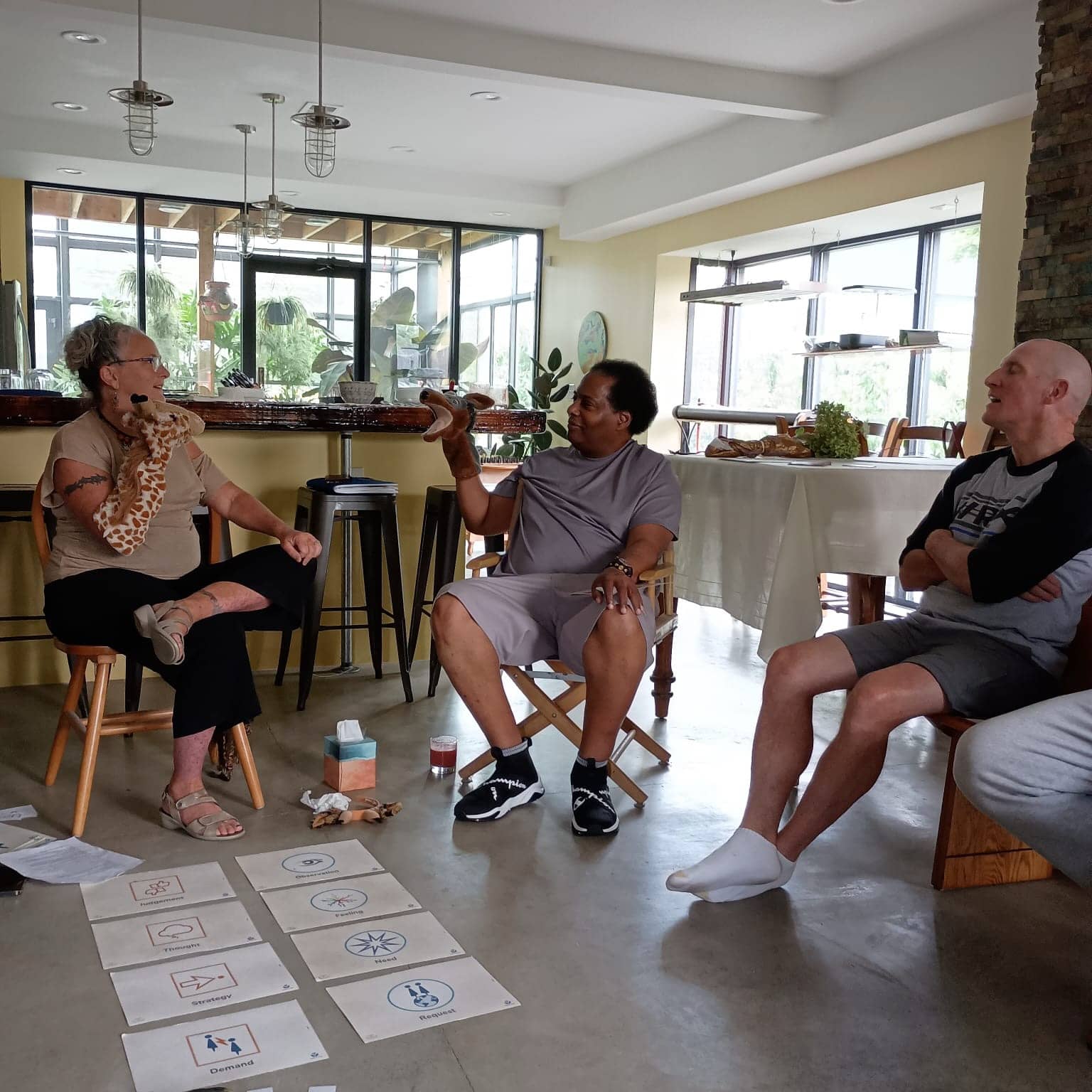
In the Foundation Course, we explore the four steps of NVC and practise applying them to situations from our own lives. There's time to experiment, ask questions, receive empathy and discover how different ways of listening and speaking affect our connection with ourselves and others.
Why practice NVC with other people?
You can learn a great deal about NVC from books and videos. And I think there's something particularly valuable about practising with other people.
You might understand the difference between an observation and a judgment when you're reading about it, yet find it much more challenging when you're upset with someone.
Or you might know that empathy means listening for feelings and needs, but discover how tempting it is to give advice, explain your own experience or try to make someone feel better.
I recognise these habits in myself too!
Practising together gives us opportunities to notice these things, experiment with different responses and receive feedback about how our words land.
And there's another aspect I particularly appreciate: we get to experience being listened to with empathy ourselves. For many people, that experience is as valuable as learning to offer empathy to others.
I keep my groups small, with a maximum of 12 participants, so there's room for everyone to participate. Most of my courses take place online via Zoom, bringing together people from different countries and backgrounds.
Bringing NVC into everyday life
One of the things I appreciate about NVC is that we don't need a special setting to practise it. Everyday life offers us plenty of opportunities!
A disagreement with a partner. Feeling irritated with a colleague. Saying yes when we'd rather say no. Hearing something from our children that triggers a strong reaction.
These are moments when we might begin to notice our familiar ways of responding and wonder what else is possible.
Perhaps I recognise that I'm judging someone and become curious about what's important to me. Perhaps I notice that I'm about to defend myself and choose to listen a little longer. Or perhaps I realise afterwards that I said something I wish I'd expressed differently.
I don't see learning NVC as reaching a point where we always respond with empathy or never become angry, defensive or judgmental.
For me, it's about developing more awareness of what's happening inside us and between us, and having more choice about how we respond.
And I continue to learn.
Where can you continue learning?
If you're curious to explore Nonviolent Communication, there are several ways to begin.
On my website, you'll find articles about the four steps of NVC, feelings and needs, empathy and other aspects of Nonviolent Communication.
You're also welcome to join one of my free two hour intro workshop,, or begin with a Level 1 Foundation course, if you'd like to learn and practise with a group.
You can find an overview of the courses and different ways to begin on my Start here page.
I look forward to meeting you if you decide to join us!
Frequently asked questions
How do I learn Nonviolent Communication?
Learn it like a language: practice regularly, with other people and in daily life, and read short articles between sessions. A route that works well is the free intro workshop, then Level 1 Foundation, then Level 2 and Level 3.
Do I need experience before joining the Level 1 Foundation course?
No. Level 1 Foundation is made for people without any experience with NVC. You can start with the free two hour intro workshop first if you would like a taste before you decide.
Are the NVC courses online?
Yes. The courses take place online via Zoom, in small groups, so everyone has room to speak and be heard. You can join from your own home, wherever you live.
How can I practice NVC in daily life?
Pause once a day to notice what you feel and need, listen to someone and guess their feelings and needs silently, and practice a sentence out loud. Small moments are enough, and self-empathy helps along the way.