I recently flew to my childhood home in Michigan to spend time with my family and help my 86 year old father prepare the garden for summer. Each day we spend a few hours working side by side, tilling soil, clearing gutters and trimming raspberries and trees. It is the second year I have done this, and I notice how close I feel to him. I have never heard him express his appreciation as often, or as openly, as he does now and it warms my heart each time.
What strikes me is how different this feels from when I was younger. As a teenager, it was almost impossible for my parents to get me to help. Even as a young adult, I remember a similar resistance to any kind of chores.
What changes when giving comes from choice?
Looking back, I can see some of what has changed: life experience, becoming a parent myself, and a growing appreciation for what my parents have given me.
And there is something else.
The joy and deep satisfaction I feel now is connected to being in full choice around my giving. I am not here because I have to. There is no sense of duty or obligation. I no longer know who is giving to whom. In my giving, I feel so given to.
In Nonviolent Communication (NVC), we look at what is alive in us when we act. What needs are we trying to meet? Do we act to avoid guilt, to be seen as a good person or to earn something in return? Or do we act because it contributes to life, ours and someone else's?
Is there hope for parents of teenagers?
Many parents of teenagers and young adults wonder whether this kind of joyful giving and receiving will ever come. My experience is that it can. NVC has supported me deeply, both as a mother with my own sons and as a daughter. By learning to make requests rather than demands, we create fertiel grounds for cooperation in our relationships.
What does receiving have to do with it?
Receiving with grace may be the greatest giving. When someone lets us contribute to them, they give us the chance to live our care. The poet Ruth Bebermeyer wrote a beautiful poem about this called Given To, which I love and warmly recommend looking up.
How can you explore this yourself?
Think of something you do for someone else, perhaps at home, at work or in a relationship, that you experience as an obligation, a "have to".
Take a moment to ask yourself:
- What am I telling myself about why I have to do this?
- What needs am I trying to meet by doing it?
- What needs of mine might I be putting aside?
- If I knew I had a choice, would I still want to do it? And if so, why?
Notice what happens inside you as you explore these questions. Perhaps you discover that you really do want to contribute. Or perhaps you become aware of other needs asking for your attention.
The invitation is to become more conscious of your choices and discover what it is like to give from a place of willingness.
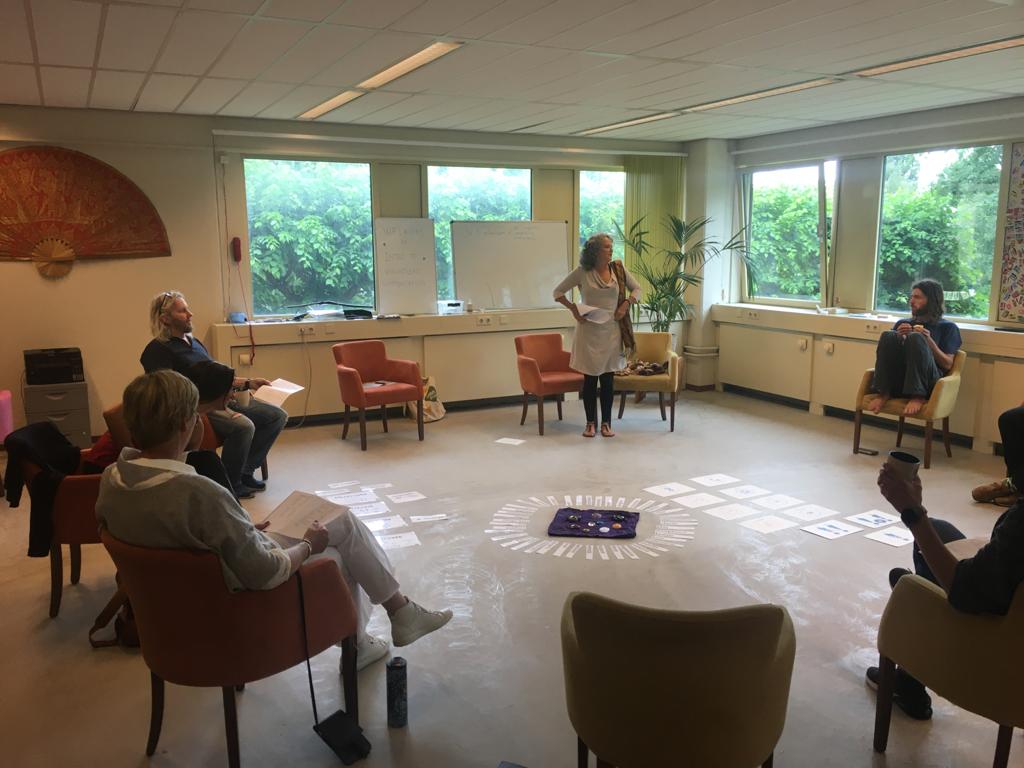
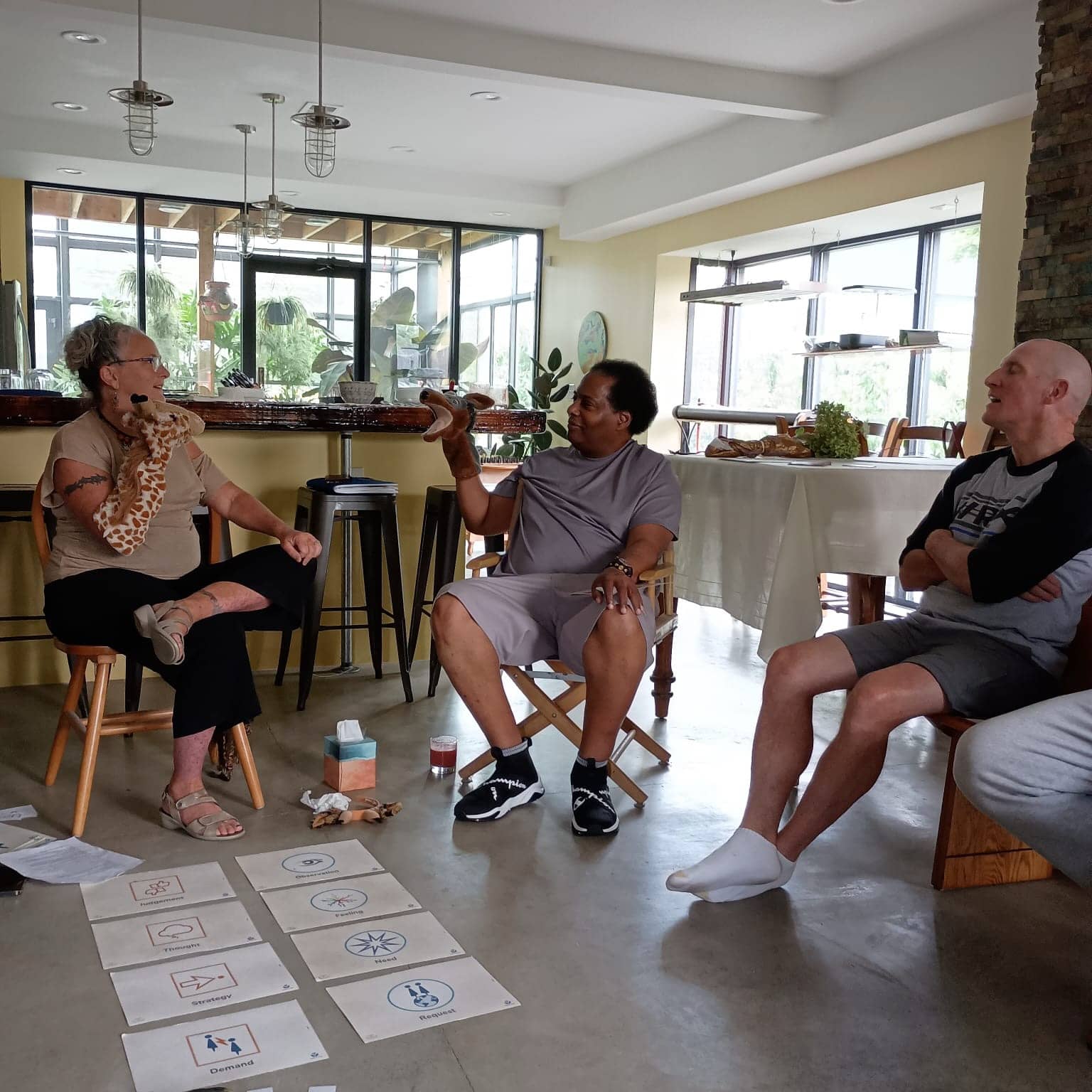
These are the places we explore in my courses: how to stay connected to ourselves and to each other, so that this kind of giving can emerge more naturally. A good place to begin is the Level 1 Foundation Course. If you feel resentment building when you give, self empathy can help you find out what you need.
Frequently asked questions
What does giving from choice mean in NVC?
It means acting because it contributes to life, yours and someone else's, rather than out of duty, guilt or the wish for something in return. The action can look the same from the outside, but it feels very different from the inside.
How can I stop giving out of obligation?
Start by noticing which need you are hoping to meet. Then see whether you can do it freely, or say no with care. Giving from choice usually feels lighter than giving from duty.
Is receiving also a form of giving?
Yes. When you receive with grace, you give the other person the chance to contribute and to live their care. In that sense giving and receiving are one movement.